Meal & Rest Break Compliance in California
In California, break issues rarely come from lack of awareness. They come from operations: production peaks, reactive supervision, long shifts, line changes, and the pressure to keep work moving. That is where risk builds, because when breaks are not handled consistently or documented correctly, what starts as a small issue can quickly turn into premium pay exposure, retroactive adjustments, and claims.
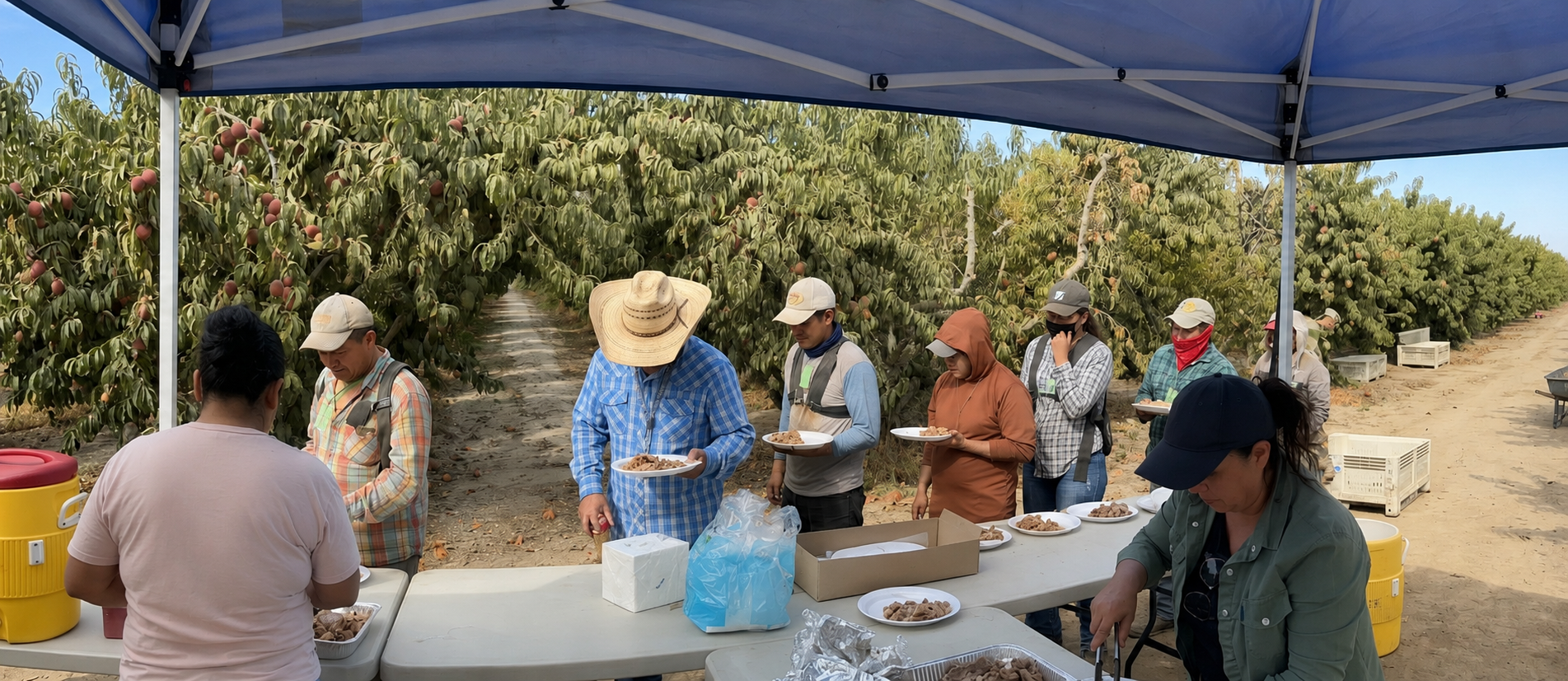
The DLSE is clear on the basics: a meal period must be a real break where the employee is relieved of all duty, and rest breaks are paid and tied to the length of the shift. In practice, when employees remain available for work, are interrupted, or are regularly pulled back into duties during breaks, employers may face greater difficulty demonstrating compliance if those practices are later challenged.
What makes this especially critical in packinghouses and warehouses is not theory, it is volume. A pattern of poorly managed breaks, multiplied across crews, shifts, and weeks, can create significant payroll exposure and become a recurring issue in wage and hour claims.
Just as important as providing compliant breaks is maintaining accurate records that demonstrate when meal periods occurred and how exceptions were handled.
Where problems typically start
Common operational patterns
Records that do not match reality: the system shows a full meal period, but operational practices or supervisor expectations may have prevented employees from taking an uninterrupted meal period.
Meal periods out of control: taken too late, shortened due to operational pressure, or split because of line movement and production needs.
Rest breaks missed due to work pace: the break gets pushed back and never happens, especially during peak loads, shift changes, or when there is no coverage.
Lack of coverage: no clear plan for who takes over during breaks, leading to delays, interruptions, or skipped breaks.
Time adjustments without traceability: clock-in and clock-out times are edited to make reports match, without documented justification or a consistent standard.
Reducing risk is not about talking about breaks. It is about having a system that holds up under real operating conditions. When a break is missed or handled incorrectly, the situation typically escalates due to inconsistent records and improvised fixes. The solution is simple in concept and disciplined in execution.
Actions that actually change outcomes
Operational standard: breaks are scheduled and executed, not left to in-the-moment discretion.
Reliable records: timekeeping reflects what actually happened in the field, not what was expected to happen. Exceptions are recorded with minimal but consistent supporting notes.
Structured payroll corrections: when meal or rest period premium pay obligations apply, they are processed consistently and documented appropriately. Avoid adjusting time records simply to make reports look clean.
Trend-based management: review weekly where issues repeat, by site, shift, or supervisor, and address the operational root cause, not just the symptom.
The takeaway is simple: break compliance is not about policies on paper. It is about having a repeatable method that works under pressure. When scheduling is consistent, records reflect reality, and exceptions are handled the same way every time, the operation becomes more stable and far less exposed to avoidable issues.
While specific requirements may vary by industry and applicable wage order, California employers should ensure their break practices align with the requirements governing their operations.
Disclaimer
This content is provided for general informational purposes based on operational experience and publicly available guidance. It does not constitute legal advice. For legal interpretation or specific compliance decisions, consult qualified legal counsel.